Experiences & Activities

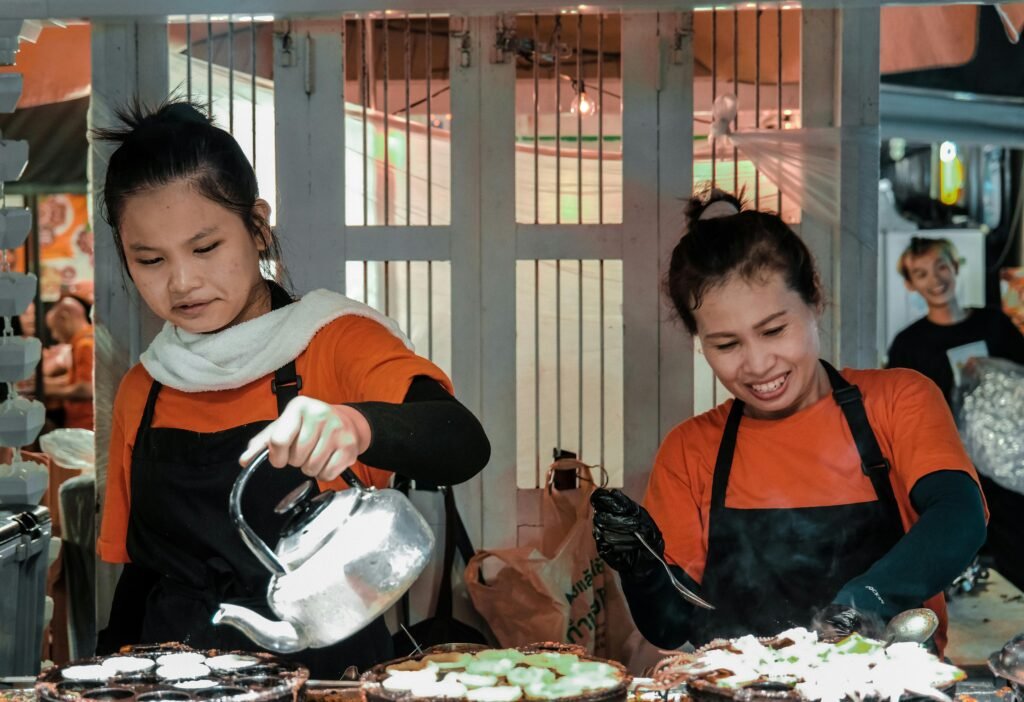
Two women prepare food with joy at a bustling Bangkok street market.

Chiang Mai Cooking Class Review: Is It Worth $42 CAD? Our Honest Experience

A Thai cooking class in Chiang Mai turned out to be one of the most rewarding experiences of our trip—and at $42 CAD per person, one of the best value activities as well. We opted for an evening class starting at 5pm, which meant we essentially got to enjoy our creations as dinner, though these classes run throughout the day to suit any schedule. If you’re planning to book, I reserved ours just two days in advance through GetYourGuide with no issues. Table of Contents Add a header to begin generating the table of contents Booking and Pickup Booking through GetYourGuide made the process seamless, and soon we found ourselves being picked up from our hotel for the 30-minute drive to the cooking school. (Note: pickup is only available in certain areas of Chiang Mai, which you’ll see listed when booking.) During the ride, our guide handed us a paper menu where we could select exactly which dishes we wanted to make—a nice touch that meant everyone got to cook what genuinely interested them rather than being locked into a set menu. The Market Visit But first stop: the local market. Our guide led us through the bustling aisles, pointing out the fresh ingredients we’d be using fragrant Thai basil, galangal, lemongrass, and vibrant vegetables that seemed to have been picked that morning. We had about 10 minutes to wander and pick up anything that caught our eye, though everything we needed for class was already prepared and waiting for us at the school. The Cooking School Setup Once we arrived at the cooking school, the setup was impressive. The space was outdoors but covered, giving us the ambiance of cooking in Thailand’s tropical climate without melting under the direct sun. Each person got their own fully equipped cooking station—no sharing or hovering over someone’s shoulder trying to see what the instructor was doing. Our group had about 12 people, and while there were other groups and classes cooking at the same time, the organization was so seamless that you never bumped into anyone or felt crowded. Each group stayed in their own area, making it feel intimate and focused. What We Cooked We each selected three dishes to prepare: a soup, a stir-fry, and a curry. I chose hot and sour chicken soup, pad Thai, and khao soi (that rich, coconut curry noodle soup that Chiang Mai is famous for). To finish, everyone received mango sticky rice—the perfect sweet ending. What I Learned About Thai Cooking What struck me most was how the cooking process demystified Thai cuisine. Our guide was fantastic, walking us through each step with clarity and humor, explaining techniques rather than just recipes. The real revelation? Thai cooking is all about the preparation and sourcing fresh, quality ingredients. Once everything is prepped—your herbs chopped, your pastes made, your vegetables sliced—the actual cooking happens incredibly fast. A stir-fry takes mere minutes over high heat. It’s the complete opposite of the slow-cooked Western dishes many of us are used to. The vegetarian-friendly nature of the class was another highlight. Every recipe had substitutes available, making it inclusive for all dietary preferences. And yes, those Thai ingredients truly are as fresh as they look—vibrant, aromatic, and bursting with flavor in a way that makes you understand why Thai food tastes so different when made with the real thing. The Best Part: The People But honestly, my favorite part wasn’t just the cooking—it was the people. Cooking alongside travelers from different countries, age groups, and backgrounds created natural conversation. Between stirring curry paste and folding spring rolls, we swapped stories about how long we were staying in Thailand, shared recommendations for other activities, and laughed over our varying levels of culinary skill. There’s something about the shared experience of creating food that breaks down barriers faster than any icebreaker activity could. The Final Verdict By the end of the 3.5-hour experience, we’d cooked, eaten our creations (which were surprisingly delicious), and left with a booklet of recipes to recreate everything at home. I genuinely feel confident I could make these dishes again—the recipes are clear, and the techniques are simpler than I expected. It’s the kind of souvenir that keeps giving long after you’ve left Thailand: the ability to transport yourself back to Chiang Mai with the smell of lemongrass and galangal sizzling in your kitchen. Worth doing? Absolutely. Great value, delicious food, fun people, and you’ll actually learn techniques you can use at home. Book the evening class if you want to skip dinner plans—you’ll be stuffed by the end. Thai Cooking Class: Quick Details Price: $42 CAD per person (approx. $30 USD) Duration: 3.5 hours including market visit Time: Multiple slots daily; we did the 5pm evening class What you’ll cook: Choose 3 dishes (soup, stir-fry, curry) from a list they provide + mango sticky rice Booking: Reserve through GetYourGuide; 2 days advance was fine Pickup: Available in select Chiang Mai areas (check when booking) Group size: ~12 people per group Dietary options: Vegetarian-friendly with substitutes available What you’ll take home: Digital recipe booklet with all your dishes

Chiang Mai Cooking Class Review: Is It Worth $42 CAD? Our Honest Experience Read More »
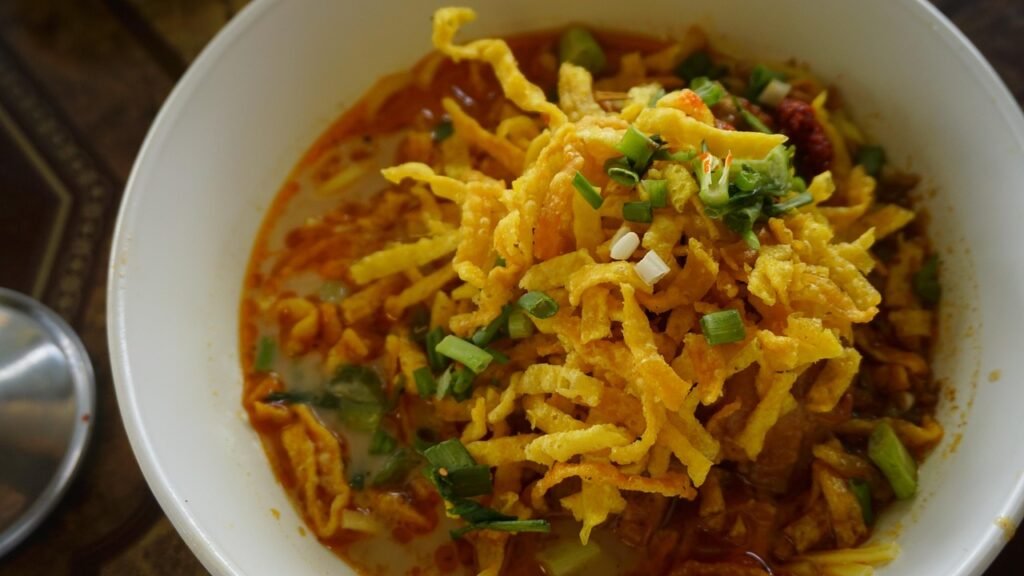
khaosoi, recipe, curried, noodle, soup, chicken, spicy, cuisine, lemon, thai, hot, curry, food, delicious, dish, meal, khao, thailand, vegetable, soi, tasty, chili, coconut, asia, lunch, dinner, healthy, yellow, traditional, colorful, milk, kitchen, white, soy, green, egg, rice, garlic, onion, oil, brown rice, brown lemon, brown onion

The 3 Best Khao Soi Spots I Tried in Chiang Mai

If you’re heading to Chiang Mai, there’s one dish you absolutely cannot miss: Khao Soi. This iconic Northern Thai curry noodle soup originated in this region and has become the city’s most celebrated dish a beautiful mess of contradictions with creamy yet tangy, rich yet refreshing flavors, featuring both crispy and soft noodles swimming in a coconut curry broth that’s equal parts spicy and sweet. It’s comfort food elevated to an art form. I’ll be honest: before arriving in Chiang Mai, I’d never tried Khao Soi. I had zero expectations and no frame of reference. So I did what any curious food lover would do—I sought out the most popular spots with stellar ratings and let the locals guide me. What I discovered was that while each bowl tasted distinctly different, they were all equally amazing in their own right. Here are the three best Khao Soi spots that completely won me over. Khao Soi Mae Sai Walking up to Khao Soi Mae Sai, you’ll immediately notice the line. This small, unassuming restaurant keeps things simple, no fancy decor or Instagram-worthy interiors, just pure focus on what matters most: incredible flavor. And the locals know it, the constant queue outside is proof that this place serves something special. Here’s what you need to know: when you arrive, don’t just join the line outside. Head inside first to grab a buzzer (we learned this the hard way after standing around confused for a few minutes). Once you’ve got your buzzer, the wait is typically around 15 minutes, though the line moves surprisingly fast. When your buzzer goes off, you’ll be seated at one of the communal tables – yes, you might be sharing space with other diners, but that’s all part of the authentic local experience. The ordering system is brilliantly simple. You’ll get a small paper slip where you mark down what you want, someone collects it, and before you know it, your food arrives. We ordered the chicken Khao Soi, and when that bowl was placed in front of me, I had no idea I was about to taste one of my favorite dishes in all of Thailand. The first spoonful was a revelation. The broth was simultaneously spicy, creamy, sweet, savory, and tangy, a flavor profile I didn’t even know was possible. The tender chicken was perfectly cooked, the soft egg noodles soaked up all that glorious curry, and the crispy noodles on top added a textural contrast that made every bite interesting. But here’s the game-changer: they serve it with a side plate of pickled mustard greens, shallots, and lime. Squeeze that lime over everything. Trust me. It cuts through the richness and brings the whole dish into perfect harmony. It’s no wonder Khao Soi Mae Sai has earned recognition in the Michelin Guide. This wasn’t just a good meal, it was an experience that completely redefined what I thought noodle soup could be.   Rating: 9.5/10 Price: 55 baht per bowl (~$1.70 USD / $2.40 CAD), Thai iced tea 20 baht (~$0.62 USD / $0.88 CAD). Total for two people: 130 baht (~$3.97 USD / $5.67 CAD) Neighborhood: Chang Phueak (just north of the Old City) Hours: 8:00 AM – 4:00 PM, Closed Sundays Vibe: Small, no-frills local spot with communal seating Wait Time: 10-15 minutes during peak hours Pro Tip: Get your buzzer inside first, don’t just join the line! And always add the lime—it’s essential. It’s Good Kitchen After the mind-blowing experience at Khao Soi Mae Sai, we were curious to see how another spot would compare. It’s Good Kitchen offered a completely different vibe, more polished, more spacious, and with a welcoming atmosphere that immediately made us feel comfortable. This wasn’t just a quick noodle stop; it felt like a proper restaurant where you could settle in and relax. The system here is straightforward: arrive, grab a number, and wait for your turn. We got our number and found ourselves seated within 10-15 minutes, which felt pretty reasonable given how busy the place was. The restaurant has a nice energy to it not rushed, not overly crowded, just a pleasant buzz of people enjoying good food. We ordered the chicken Khao Soi again, wanting to compare apples to apples. When it arrived, it looked beautiful – well-presented, garnished thoughtfully, everything you’d want from a restaurant that clearly takes pride in its food. The first taste confirmed it: this was really good Khao Soi. The broth was flavorful, the noodles were well-cooked, and everything was executed well. But here’s the thing – it tasted different. Not worse, just more refined and less punch-you-in-the-face bold. While Mae Sai’s Khao Soi had that intense, layered complexity that grabbed you by the taste buds, It’s Good Kitchen’s version felt a bit more restrained. It was delicious, don’t get me wrong, but it didn’t have that same wow factor. Maybe Khao Soi isn’t their specialty dish, or maybe they’re catering to a slightly broader palate. Either way, it was a solid bowl of noodles that I’d happily eat again, but it didn’t quite reach the heights of our first experience. Rating: 8.5/10 Price: 150 baht per person (~$4.58 USD / $6.54 CAD) Neighborhood: Phra Singh (Old City West, inside the city walls) Hours: 11:30 AM – 9:00 PM Vibe: Comfortable, polished restaurant with good atmosphere Wait Time: 10-15 minutes (numbering system) Pro Tip: This is a great spot if you want a more relaxed dining experience with your Khao Soi. Khao Soi Khun Yai Our final stop was Khao Soi Khun Yai, and this one felt like discovering a hidden treasure. Tucked away in a quiet alley in the Old City, this spot doesn’t announce itself with big signs or flashy storefronts, it just quietly serves some of the best Khao Soi in Chiang Mai to those who know to look for it. The setting is entirely different from the other two places. This is outdoor seating under a simple covered area, giving it that authentic, neighborhood

The 3 Best Khao Soi Spots I Tried in Chiang Mai Read More »

tram, train, road, building, monument, cityscape, lisbon, portugal, architecture, city, lisboa, europe, landmark, portuguese, tourism, skyline, alfama, scene, travel, tram, train, lisbon, lisbon, lisbon, portugal, portugal, portugal, portugal, portugal

5 Must-Do Activities in Portugal

After 10 days exploring Portugal from Porto to the Algarve, I came home with a camera roll full of photos, a serious pastel de nata addiction, and the kind of travel memories that actually live up to the hype. If you don’t have weeks to explore, here are five experiences that made my Portugal trip special. Not the “check the box” tourist stuff, these are the moments that actually stuck with me. Take a Day Trip to Aveiro If you’re staying in Porto and want to see something different, Aveiro is an easy day trip that feels worlds away from Porto’s tourist-packed streets. The town is known for its colorful moliceiro boats (think Portuguese gondolas) that cruise through the canals, and the whole vibe is way more relaxed than Porto’s bustling streets. We walked around the canals, watched students in traditional academic robes singing which I later learned is a huge cultural tradition in Portuguese universitie and honestly just enjoyed the slower pace. But the real highlight? Ovos moles. These are Aveiro’s famous sweet treat, soft egg yolk custard wrapped in thin wafer shells shaped like shells and barrels. They’re incredibly sweet, but in the best way. We grabbed some from a local bakery, and they didn’t even make it back to Porto. If you have time, Costa Nova beach is nearby with its iconic striped houses. Even if you’re not a beach person, the houses alone are worth the quick detour for photos. How to get there: We took the train from Porto, it’s about an hour and runs pretty frequently (€3-4 each way). Super easy to do on your own if you’re comfortable navigating public transit. But if you’d rather have everything organized (transportation, timing, maybe a guide), there are day tours that bundle Aveiro and Costa Nova together for around €50-70 per person. If you prefer a guided tour: Aveiro and Costa Nova Day Trip from Porto Pro tip: Aveiro is small but you can see the main sights in 3-4 hours. It’s perfect if you want a break from city exploring without committing to a full exhausting day of sightseeing. Go on a weekday if possible weekends get busier with domestic tourists. Best time: April-October for the best weather, but it’s doable year-round since it’s mostly walking around town. Take a Sunset Catamaran Cruise in Lisbon After a full day climbing Lisbon’s hilly neighborhoods (your legs will definitely feel it), sitting on a boat with a glass of wine while watching the sunset over the Tagus River is exactly what your body needs. The light turns everything golden as you sail past the 25 de Abril Bridge and Cristo Rei statue. Most cruises include wine or sangria, nothing fancy, just a crisp white that tastes better when you’re watching the sun dip behind the hills. The boat was surprisingly peaceful despite having maybe 30 other people on board. Everyone just kind of settled into their own space, took photos, and enjoyed the hour on the water. What really struck me was seeing Lisbon from this angle, the terracotta rooftops cascading down to the waterfront, the São Jorge Castle lit up on the hill, the pink and orange sky reflecting off the buildings. After spending days navigating narrow streets and steep staircases, it gave me a sense of the city’s full scale. Cost: Tours typically run €25-40 per person depending on what’s included. Real talk: It gets chilly once the sun goes down, even in summer. Bring a light jacket or sweater – trust me on this one. Also, book the earliest sunset slot available (they usually run 2-3 departures). You’ll get better light and it won’t feel as rushed. 👉 Recommended tour: Lisbon Sunset Catamaran Cruise Best time: May-September for warm evenings, but the off-season has its charm too (and fewer tourists). Visit Porto’s Wine Cellars (or the Douro Valley If You Have Time) If you’re a wine lover, the Douro Valley, where port wine grapes are actually grown, is incredible. The terraced vineyards cascading down to the river, the quintas (wine estates) with tastings and lunch, the scenic train ride through the valley… it’s a full day well spent. But if you’re short on time (or want to stay in Porto), the port wine cellars in Vila Nova de Gaia are the perfect alternative. They’re just across the river from Porto’s colorful Ribeira district, so you can easily work them into an afternoon exploring the Gaia side. You walk through these centuries-old stone cellars where massive oak barrels have been aging wine since before your grandparents were born. The whole place smells like history and fermentation in the best way possible. The guides explain why port wine only comes from this specific region, how the fortification process works, and why those old wooden barrels matter. The tasting at the end is generous (usually 2-3 different styles—ruby, tawny, sometimes a vintage). Even if you’re not typically a wine person, port is sweet enough that it’s more approachable than dry reds or whites. Cost: Most cellar tours run €15-25 per person including tastings. Premium tours with more wines or food pairings can go up to €40-50. Timing tip: Save this for late afternoon or early evening after you’ve explored the Gaia waterfront. The tours are short (45-60 minutes usually), and ending your day with a tasting while watching the sunset from the terrace is pretty perfect. Many cellars stay open until 6-7pm. Bonus: the views from Gaia looking back at Porto’s skyline are absolutely stunning. Stick around after your tour for photos—the light is best in late afternoon. 👉 Recommended tour: Port Wine Cellar Tour with Tastings Best time: Year-round activity, perfect for rainy days. Visit Benagil Cave by Boat (It Actually Looks Like the Photos) Okay, so you know those photos of Benagil Cave that are all over Instagram? The massive sea cave with a circular opening in the ceiling where sunlight streams through onto the beach inside? I was convinced they were edited. They’re

5 Must-Do Activities in Portugal Read More »

muay thai, boxer, referee, fight, fighter, sport, bout, men, kick boxing, martial arts, fitness, thai boxer, thai boxing, competition, bangkok, muay thai, muay thai, muay thai, muay thai, muay thai, boxer, kick boxing

🥊 Muay Thai in Bangkok: Is It Worth It? (My Honest Review & Ratings)

Bangkok is full of temples, markets, and food stalls but nothing compares to the energy of a live Muay Thai fight. We almost skipped it, thinking it would just be “watching people fight,” but it turned out to be one of the most unique cultural experiences of our trip. 👉 Here’s what to expect, practical tips, and my honest ratings of the experience. A Quick Bit of History Muay Thai, often called the “Art of Eight Limbs,” is Thailand’s national sport and a martial art that dates back centuries. Unlike Western boxing (two fists), Muay Thai uses punches, kicks, elbows, and knees — eight points of contact. Historically, it was used by Thai soldiers for combat and self-defense. Over time, it became a respected tradition, blending spirituality with athleticism. Before each fight, boxers perform the Wai Kru Ram Muay ritual dance — not just for show, but as a way of paying respect to their teachers, ancestors, and the sport itself. Watching it live makes you realize you’re not just at a sporting event, but at something deeply rooted in Thai culture. The Experience We went to Rajadamnern Stadium, one of the most famous Muay Thai arenas in Bangkok, and honestly, it’s the one I’d recommend if you’re going to experience a fight. From the moment we walked in, the place buzzed with energy — vendors shouting, locals chatting, and the steady beat of drums echoing through the hall. Before each match, the fighters performed the Wai Kru Ram Muay, a ritual dance to honor their teachers. Once the drums kicked in, the energy skyrocketed. Every punch and kick had the crowd on its feet. To make it even better, there was unlimited beer 🍺 it really added to the feeling that everyone in the stadium was part of the same celebration. That said, be ready for noise and crowds, the energy is part of the charm, but if you don’t like loud environments, it can feel overwhelming. And the cheapest seats are quite far from the ring, so if you want close-up action, you’ll need to pay more. Even if you’re not into combat sports, Rajadamnern blends culture, history, and adrenaline. For us, it was one of the most unforgettable nights in Bangkok. Practical Details Ratings Final Verdict Muay Thai isn’t just Thailand’s national sport, it’s a living tradition. From the rituals and music to the raw intensity in the ring, watching a fight at Rajadamnern felt like stepping into something much bigger than a sporting event. It was a highlight of our trip, and one I’d recommend to anyone visiting Bangkok. Tickets do sell out, so it’s worth booking Rajadamnern seats online ahead of time and if you want the best view, consider upgrading to ringside or VIP seating.

🥊 Muay Thai in Bangkok: Is It Worth It? (My Honest Review & Ratings) Read More »